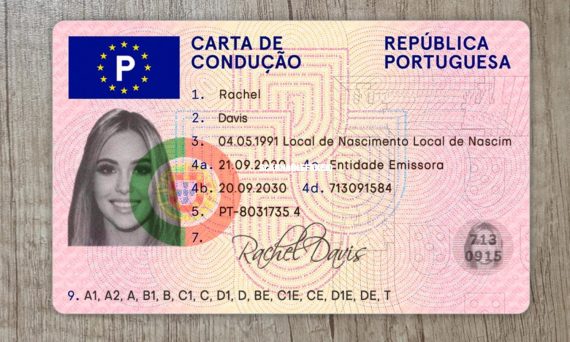
How to Buy a Driving License: A Comprehensive Guide
Getting a driving license is a substantial milestone that uses individuals increased freedom and movement. Nevertheless, the process of obtaining a legitimate motorist's license can be intricate and lengthy. This short article will guide readers through the steps included in lawfully obtaining a driving license, highlighting crucial factors to consider and common risks to prevent.
Comprehending the Necessity of a Driving License
A driver's license is not merely a card; it is a legal document that verifies an individual's ability to run a lorry. The following points describe why acquiring a driver's license is essential:
- Legal Requirement: Driving without a valid license is prohibited and can cause serious charges, consisting of fines and prospective jail time.
- Safety: A chauffeur's license usually represents that a person has actually fulfilled specific requirements, including passing tests that guarantee they understand traffic laws and can operate an automobile safely.
- Insurance: Many insurance coverage companies need evidence of a valid driver's license before providing protection.
- Employment Opportunities: Many jobs, especially those in shipment, transportation, or fieldwork, need a valid driving license.
Steps to Obtain a Driving License
1. Research Requirements
Before beginning the process, people must look into the particular requirements in their state or nation. Requirements can differ considerably based upon jurisdiction. Common components consist of:
| Requirement | Description |
|---|---|
| Age | Minimum age can differ (16-18 years in lots of jurisdictions) |
| Identification | Required for government-issued ID or other identification |
| Residency | Proof of residence in the releasing state |
| Understanding Tests | Might need to pass a written test on traffic laws |
| Practical Driving Test | Should show actual driving abilities through a test |
2. Collect Necessary Documents
The next step involves gathering all the needed documents, which typically include:
- Birth certificate or passport
- Social Security number (if appropriate)
- Proof of residency (energy expenses, lease arrangements)
- Completed application (frequently readily available online)
3. Complete Driver Education Program
Lots of regions mandate finishing a chauffeur education program, particularly for newbie motorists under a certain age. This might include:
- Classroom direction on traffic laws and safety
- Behind-the-wheel training with a certified trainer
4. Set up and Take the Written Test
Once the candidate feels ready, they should set up a composed test, generally carried out at their regional Department of Motor Vehicles (DMV) or comparable authority. People ought to:
- Review appropriate traffic laws and policies
- Take practice tests offered online or through the DMV
5. Set Up a Driving Test
After successfully passing the composed test, the next step is to set up a practical driving test. Vital considerations consist of:
- Selecting a vehicle that fulfills safety standards
- Bringing needed documents (test appointment confirmation, learner's license, identification)
- Arriving at the screening site on time to prevent rescheduling
6. Get Your Driving License
Upon successfully completing the driving test, people might receive their driving license instantly or within a couple of weeks, based on the jurisdiction's procedures.
Avoiding Common Pitfalls
While the roadway to acquiring a driving license may appear uncomplicated, a number of typical mistakes can impede the process:
- Not Preparing Thoroughly: Skipping the motorist education course or downplaying the significance of practice can lead to failure in the written or driving tests.
- Forgetting Documents: Always examine that all required documents are present before heading to the DMV, as forgetting crucial products might result in an inability to complete the test.
- Missing out on Deadlines: Ensure that applications and tests are arranged well ahead of any due dates, as waiting too long might result in complications.
- Undervaluing Fees: Be aware that costs for applications, tests, and licenses can build up. Make sure that you have set aside sufficient funds.
Frequently asked questions
Q: Can I practice driving without a license?A: In many jurisdictions, individuals are permitted to practice driving with a learner's license, which generally includes constraints, such as needing a certified adult in the car. Q: What do I do if I fail the
understanding or driving test? related : Failing either test frequently allows you to retake them after a specified waiting period. Use this time to prepare and improve your understanding or abilities. Q: How long is a driving license valid?A: The validity duration can differ; most licenses stand for 4 to 8 years, after which renewal is needed. Q: What takes place if I lose my driving license?A: In the occasion of loss, call your regional DMV to report the loss and follow treatments to acquire
a replacement. Acquiring a driving license demands diligence, preparation, and adherence to legal protocols. By following the laid out steps and preventing common pitfalls
, individuals can navigate the process smoothly, therefore accepting the self-reliance that features valid driving credentials. Always remember to regard traffic laws and drive properly, cultivating a much safer transport environment for all.